Table of Contents
Precast concrete custom molds: Compare surface finish, stiffness, repair options, and expected production duty when choosing mould materials. For choosing a tooling material for repeated casts, the review should connect surface finish, stiffness, and repair method. The purpose is to establish what must be checked before the next production or purchasing decision, using the approved precast component and tooling drawings as the controlling reference.
When assessing precast concrete custom molds, use the approved precast component and tooling drawings for the project-specific limits and inspection method. The following checks connect surface finish with stiffness and repair method.

1. Surface finish: the first check
In a precast concrete custom molds project, for choosing a tooling material for repeated casts, compare surface finish with stiffness and repair method under the same identified configuration. Compare surface finish, stiffness, repair options, and expected production duty when choosing mould materials.
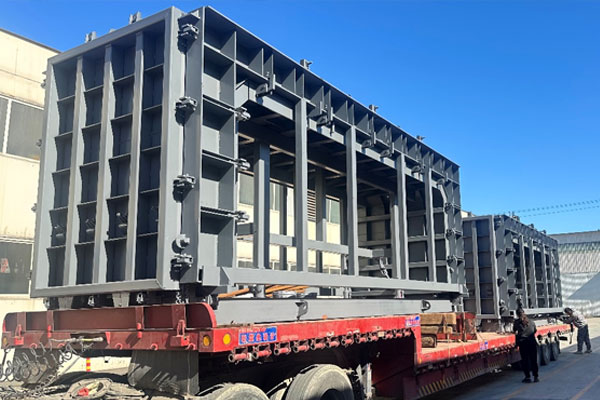
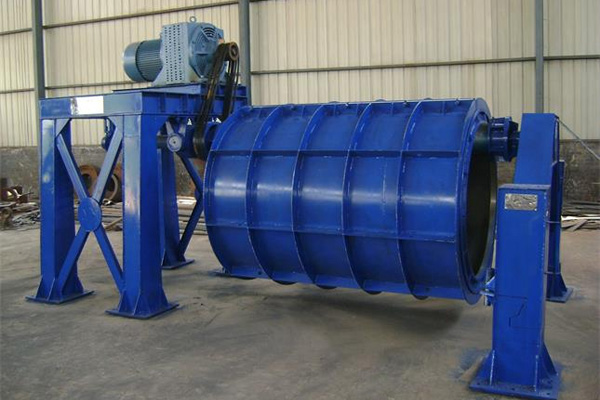
For buyers reviewing precast concrete custom molds, material selection depends on stiffness, repetition, surface finish, cleaning, repair, and support. Steel, timber, and composite solutions serve different production needs. Compare the complete forming system rather than material names alone. A thin panel with good surface finish still needs a suitable structure to preserve geometry during filling.
For precast concrete custom molds, protect working surfaces during movement between storage and production. Packaging or lifting restraints should not bear on a precision feature unless the design permits it. Inspect before assembly and again when the reference surfaces are accessible. This separates handling damage from a problem first noticed only after the next casting.
2. Stiffness: the connected interface
When assessing precast concrete custom molds, cleaning methods should remove residue without progressively changing precision surfaces. Select tools suitable for the form material and finish. Inspect areas exposed to repeated abrasive action and compare them with the original reference. Uncontrolled surface loss can gradually change dimensions while appearing to improve daily cleanliness.
In projects involving precast concrete custom molds, an RFQ should describe the component, order mix, production process, finish requirements, and handling limits. Include the expected configuration changes and acceptance responsibilities. This helps suppliers quote comparable scope. A clear inquiry also exposes requirements that need engineering agreement before the buyer commits to a delivery schedule.
3. Repair method: the acceptance condition
For buyers reviewing precast concrete custom molds, surface texture changes the relationship between finish, cleaning, and release. Test representative details rather than only a smooth sample. Inspect where concrete catches or residue remains. The intended appearance should be described using an approved sample or agreed inspection method, not an unsupported promise that every casting will look identical.
For precast concrete custom molds, low-volume orders can favour a simpler forming arrangement, but the first accepted product still needs defined evidence. Compare expected setup work and possible reuse before choosing the design. Label any future demand estimate as an assumption. A speculative reuse benefit should not be presented as an assured reduction in cost.
4. Precast concrete custom molds review options
When assessing precast concrete custom molds, the decision table connects choosing a tooling material for repeated casts with the evidence needed for surface finish, stiffness, and repair method.
| Decision point | Evidence to request | What it resolves |
|---|---|---|
| Surface finish | Defined reference and initial observations | Compare surface finish, stiffness, repair options, and expected production duty when choosing mould materials. |
| Stiffness | Installed configuration and connected interfaces | Whether the result changes with setup or handling |
| Repair method | Representative trial and released-product inspection | Whether the agreed acceptance question has been answered |
| Return to routine production | Verified configuration, open actions, and recheck triggers | How the accepted result will be reproduced |

5. Production interfaces for precast concrete custom molds
In a precast concrete custom molds project, for a complex cavity, sketch the intended material entry and the places where air can remain. Compare the trial surface with that sketch. Keep observations of concrete consistency and compaction access with the result. This helps the team decide whether to review the placing process, the cavity geometry, or both.
For buyers reviewing precast concrete custom molds, after a trial modification, compare every connected functional interface with the approved drawing. A change that creates additional release clearance may also move a joint or opening. Review the consequence before approving the revised configuration. Keep the reason for the change and its verification together with the updated tool identity.
6. A representative verification trial
In a precast concrete custom molds project, for choosing a tooling material for repeated casts, record the incoming or assembled condition, the verified setup or intervention, and the final observation. Identify surface finish, stiffness, and repair method on the trial sheet. Keep failures and interruptions in the record. If an input, support, or measurement method changes, label the change so the next comparison remains interpretable.
When assessing precast concrete custom molds, the first casting should prove the features that matter to use or assembly. List critical dimensions, finish zones, openings, and mating details before the trial. Record both tooling condition and concrete process conditions. A successful sample becomes a useful reference only when the team can identify how it was produced and measured.
A reconfigurable form introduces part-compatibility decisions. Identify shared components, change parts, and revision limits for each configuration. Keep a setup list with the assembled tool and verify the first casting after a change. Flexibility has value when the customer can reproduce a known setup and inspect its result.
7. Maintenance and repeatability of precast concrete custom molds
Storage can affect future setup as well as surface condition. Support the form in the approved arrangement, remove contaminants, and protect precision faces. Identify removable parts so they do not return as an incomplete kit. Before restarting production, inspect the stored configuration rather than assuming the previous approval remains sufficient.
Different form materials require different support and cleaning strategies. Compare the proposed panel thickness, backing structure, joining method, and intended reuse. A material described as durable can still perform poorly in an unsuitable arrangement. Ask the supplier to explain how the complete system preserves the component geometry under the proposed casting process.
8. Evidence to include in the technical inquiry
The inquiry for choosing a tooling material for repeated casts should include the approved precast component and tooling drawings, the planned material or product range, and observations of surface finish, stiffness, and repair method. Ask the supplier to identify its proposed configuration, excluded conditions, trial method, and supply boundary. A quotation is easier to compare when it answers these project-specific interfaces.
Explore Huier’s related product information and submit drawings through the technical inquiry page. Keep any proposed change to the requirement separate from a change to the equipment or tooling. Record which party must approve each change before it enters production.
9. Decision checklist for precast concrete custom molds
Before releasing this project stage, confirm the approved revision, the evidence for surface finish, the connected check for stiffness, and the acceptance observation for repair method. Identify any product or condition that the trial did not cover. Keep the accepted configuration and the triggers for reinspection together with the order record.
Additional reading: precast concrete background. This reference is provided as technical background, without implying a product certification or an independent assessment of the proposed equipment.
For a precast concrete custom molds project involving choosing a tooling material for repeated casts, send Shandong Huier Heavy Industry the approved drawing, representative input details, and observations for surface finish, stiffness, and repair method. Request a configuration review and a clearly defined quotation, trial, and inspection scope.
Frequently asked questions
What is the first priority in choosing a tooling material for repeated casts?
Compare surface finish, stiffness, repair options, and expected production duty when choosing mould materials. Use the approved precast component and tooling drawings to define the acceptance question before changing the setup or ordering parts.
How should surface finish be recorded for precast concrete custom molds?
Record the identified configuration and inspection reference. Compare surface finish with the agreed requirement and retain the connected observation for stiffness.
Why does stiffness matter when reviewing precast concrete custom molds?
It is one of the interfaces identified for choosing a tooling material for repeated casts. Check stiffness against the project requirement, alongside the evidence for surface finish and repair method, before assigning a cause.
What trial evidence is needed for precast concrete custom molds?
Represent the actual input and configuration for choosing a tooling material for repeated casts. Retain results for surface finish, stiffness, and repair method, including failed checks.
What should a supplier proposal for precast concrete custom molds contain?
It should address choosing a tooling material for repeated casts, the defined supply boundary, and the method for verifying surface finish. Include the approved precast component and tooling drawings in the inquiry.