Table of Contents
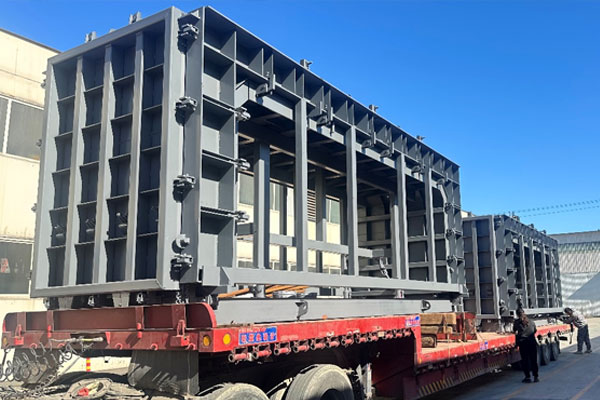
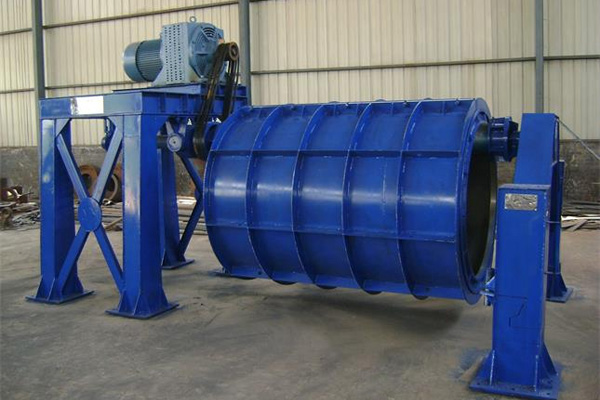
Custom molds for precast concrete: Place replacement interfaces where wear affects repeatability and where technicians can restore the original datum. For designing replaceable wear inserts, the review should connect wear insert, restoration datum, and replacement access. The purpose is to establish what must be checked before the next production or purchasing decision, using the approved precast component and tooling drawings as the controlling reference.
When assessing custom molds for precast concrete, use the approved precast component and tooling drawings for the project-specific limits and inspection method. The following checks connect wear insert with restoration datum and replacement access.

1. Wear insert: the first check
In a custom molds for precast concrete project, for designing replaceable wear inserts, compare wear insert with restoration datum and replacement access under the same identified configuration. Place replacement interfaces where wear affects repeatability and where technicians can restore the original datum.
For buyers reviewing custom molds for precast concrete, replaceable inserts are useful where wear or frequent changes affect the finished component. Define an inspectable locating interface and a restoration procedure. The design should allow maintenance personnel to replace the part without losing the original datum. A removable part that can be installed in several uncertain positions provides limited control.
For custom molds for precast concrete, allocate tolerances according to assembly function. A dimension controlling a joint may deserve more attention than a concealed, non-mating surface. Review the complete chain of connected dimensions and the chosen datums. Assigning tight limits everywhere can increase cost while leaving the important interface insufficiently defined.
2. Restoration datum: the connected interface
When assessing custom molds for precast concrete, the reference hierarchy should be visible to both tooling and product inspectors. Identify primary surfaces and the dimensions that locate secondary features. When an insert moves, the team should know which datum governs its new position. This avoids a series of individually reasonable measurements that do not describe one consistent component.
In projects involving custom molds for precast concrete, a custom precast form must translate finished-product requirements into inspectable tooling features. Distinguish the component geometry from support, locating, and closure interfaces. Make responsibility for process allowances explicit. Otherwise the customer and supplier may each assume the other party has allowed for the change between tool size and released product size.
3. Replacement access: the acceptance condition
For buyers reviewing custom molds for precast concrete, complex cavities can retain air at high points and narrow passages. Review the filling route and proposed compaction access before cutting tooling. Use trial-casting observations to identify repeatable void patterns. A change in concrete consistency or placement sequence may affect the result as much as a change to the form surface.
For custom molds for precast concrete, closure faces should be cleaned and checked before assembly. Confirm insert identity, locator engagement, and the intended closing sequence. Small trapped residues can change a seam or prevent full engagement. Documenting the assembled condition helps distinguish a setup error from a tooling feature that requires repair or redesign.
4. Custom molds for precast concrete review options
When assessing custom molds for precast concrete, the decision table connects designing replaceable wear inserts with the evidence needed for wear insert, restoration datum, and replacement access.
| Decision point | Evidence to request | What it resolves |
|---|---|---|
| Wear insert | Defined reference and initial observations | Place replacement interfaces where wear affects repeatability and where technicians can restore the original datum. |
| Restoration datum | Installed configuration and connected interfaces | Whether the result changes with setup or handling |
| Replacement access | Representative trial and released-product inspection | Whether the agreed acceptance question has been answered |
| Return to routine production | Verified configuration, open actions, and recheck triggers | How the accepted result will be reproduced |

5. Production interfaces for custom molds for precast concrete
In a custom molds for precast concrete project, for a complex cavity, sketch the intended material entry and the places where air can remain. Compare the trial surface with that sketch. Keep observations of concrete consistency and compaction access with the result. This helps the team decide whether to review the placing process, the cavity geometry, or both.
For buyers reviewing custom molds for precast concrete, lifetime cost includes setup, maintenance, repairs, rejected products, and replacement parts. Compare alternatives over the expected production volume using explicit assumptions. An inexpensive form may suit a short order, while a more durable arrangement may become economical through repeated use. Avoid treating an assumed service life as a guaranteed supplier result.
6. A representative verification trial
In a custom molds for precast concrete project, for designing replaceable wear inserts, record the incoming or assembled condition, the verified setup or intervention, and the final observation. Identify wear insert, restoration datum, and replacement access on the trial sheet. Keep failures and interruptions in the record. If an input, support, or measurement method changes, label the change so the next comparison remains interpretable.
When assessing custom molds for precast concrete, large tools need support and handling arrangements that preserve their geometry. Establish actual mass, centre of gravity, and permitted lifting method from the supplier’s design. Plan access for cleaning and inspection around the supported form. Production handling should follow approved instructions rather than improvised attachment points.
Cleaning methods should remove residue without progressively changing precision surfaces. Select tools suitable for the form material and finish. Inspect areas exposed to repeated abrasive action and compare them with the original reference. Uncontrolled surface loss can gradually change dimensions while appearing to improve daily cleanliness.
7. Maintenance and repeatability of custom molds for precast concrete
Change control should identify why a modification is needed and what it affects. Update the relevant drawings and record the verification method. A workshop change that solves one release problem can alter a mating dimension or an insert position. The trial after modification should address those connected interfaces.
An insert kit should include compatible locating parts and a clear assembly reference. Record what is missing before production starts. Similar-looking pieces may belong to different revisions or configurations. Checking the kit as a whole reduces the chance that a missing locator is replaced by an improvised arrangement that changes the final component.
8. Evidence to include in the technical inquiry
The inquiry for designing replaceable wear inserts should include the approved precast component and tooling drawings, the planned material or product range, and observations of wear insert, restoration datum, and replacement access. Ask the supplier to identify its proposed configuration, excluded conditions, trial method, and supply boundary. A quotation is easier to compare when it answers these project-specific interfaces.
Explore Huier’s related product information and submit drawings through the technical inquiry page. Keep any proposed change to the requirement separate from a change to the equipment or tooling. Record which party must approve each change before it enters production.
9. Decision checklist for custom molds for precast concrete
Before releasing this project stage, confirm the approved revision, the evidence for wear insert, the connected check for restoration datum, and the acceptance observation for replacement access. Identify any product or condition that the trial did not cover. Keep the accepted configuration and the triggers for reinspection together with the order record.
Additional reading: precast concrete background. This reference is provided as technical background, without implying a product certification or an independent assessment of the proposed equipment.
For a custom molds for precast concrete project involving designing replaceable wear inserts, send Shandong Huier Heavy Industry the approved drawing, representative input details, and observations for wear insert, restoration datum, and replacement access. Request a configuration review and a clearly defined quotation, trial, and inspection scope.
Frequently asked questions
What is the first priority in designing replaceable wear inserts?
Place replacement interfaces where wear affects repeatability and where technicians can restore the original datum. Use the approved precast component and tooling drawings to define the acceptance question before changing the setup or ordering parts.
How should wear insert be recorded for custom molds for precast concrete?
Record the identified configuration and inspection reference. Compare wear insert with the agreed requirement and retain the connected observation for restoration datum.
Why does restoration datum matter when reviewing custom molds for precast concrete?
It is one of the interfaces identified for designing replaceable wear inserts. Check restoration datum against the project requirement, alongside the evidence for wear insert and replacement access, before assigning a cause.
What trial evidence is needed for custom molds for precast concrete?
Represent the actual input and configuration for designing replaceable wear inserts. Retain results for wear insert, restoration datum, and replacement access, including failed checks.
What should a supplier proposal for custom molds for precast concrete contain?
It should address designing replaceable wear inserts, the defined supply boundary, and the method for verifying wear insert. Include the approved precast component and tooling drawings in the inquiry.