Table of Contents
Steel pipe facing and chamfering machine: Specify bevel angle and root face independently and inspect them with the approved end-preparation drawing. For bevel geometry and root face control, the review should connect bevel angle, root face, and end drawing. The purpose is to establish what must be checked before the next production or purchasing decision, using the approved end-preparation and fabrication drawing as the controlling reference.
When assessing a steel pipe facing and chamfering machine, use the approved end-preparation and fabrication drawing for the project-specific limits and inspection method. The following checks connect bevel angle with root face and end drawing.
1. Bevel angle: the first check
In a steel pipe facing and chamfering machine project, for bevel geometry and root face control, compare bevel angle with root face and end drawing under the same identified configuration. Specify bevel angle and root face independently and inspect them with the approved end-preparation drawing.
For buyers reviewing a steel pipe facing and chamfering machine, pipe end preparation needs a complete geometry definition. State the face reference, bevel angle, root face or land, and relevant edge treatment separately. A request for chamfering alone can mean different outcomes. Coordinate the drawing with the approved fabrication and welding requirements before choosing tooling.
For a steel pipe facing and chamfering machine, chatter is a process symptom that requires a review of tool support, holding stability, incoming geometry, and operating conditions. Observe when it begins and inspect the resulting surface pattern. Changing speed alone may not correct a weak support or a seating problem. Use documented trials to isolate the relevant cause.
2. Root face: the connected interface
When assessing a steel pipe facing and chamfering machine, bevel angle and root face can change independently. Inspect both using the agreed method rather than accepting a visually uniform bright band. Tool setting, wear, and incoming geometry may influence the profile. Check representative positions around the circumference, especially when the section is not perfectly round.
In projects involving a steel pipe facing and chamfering machine, tool wear can appear as changes in root face, angle, surface quality, or machining stability. Trend the dimensions that matter to the downstream process. Record tool identity and setup condition with each inspection. Replacing an insert without restoring the verified setting may leave the dimensional problem unresolved.
3. End drawing: the acceptance condition
For buyers reviewing a steel pipe facing and chamfering machine, a root face is a separate requirement from the bevel angle. Inspect each according to the approved end-preparation drawing and record the locations checked around the circumference. A consistent-looking bevel can still have an unsuitable land. The machining trial should demonstrate the profile required by the downstream fabrication process.
In a steel pipe facing and chamfering machine project, for incoming saw-cut variation, identify the material needed to produce a complete finished face. Compare representative ends rather than setting allowance from the best sample. Retain the incoming observation and the released result. This helps the supplier review whether the proposed process can achieve geometry and length together.
4. Steel pipe facing and chamfering machine review options
When assessing a steel pipe facing and chamfering machine, the decision table connects bevel geometry and root face control with the evidence needed for bevel angle, root face, and end drawing.
| Decision point | Evidence to request | What it resolves |
|---|---|---|
| Bevel angle | Defined reference and initial observations | Specify bevel angle and root face independently and inspect them with the approved end-preparation drawing. |
| Root face | Installed configuration and connected interfaces | Whether the result changes with setup or handling |
| End drawing | Representative trial and released-product inspection | Whether the agreed acceptance question has been answered |
| Return to routine production | Verified configuration, open actions, and recheck triggers | How the accepted result will be reproduced |
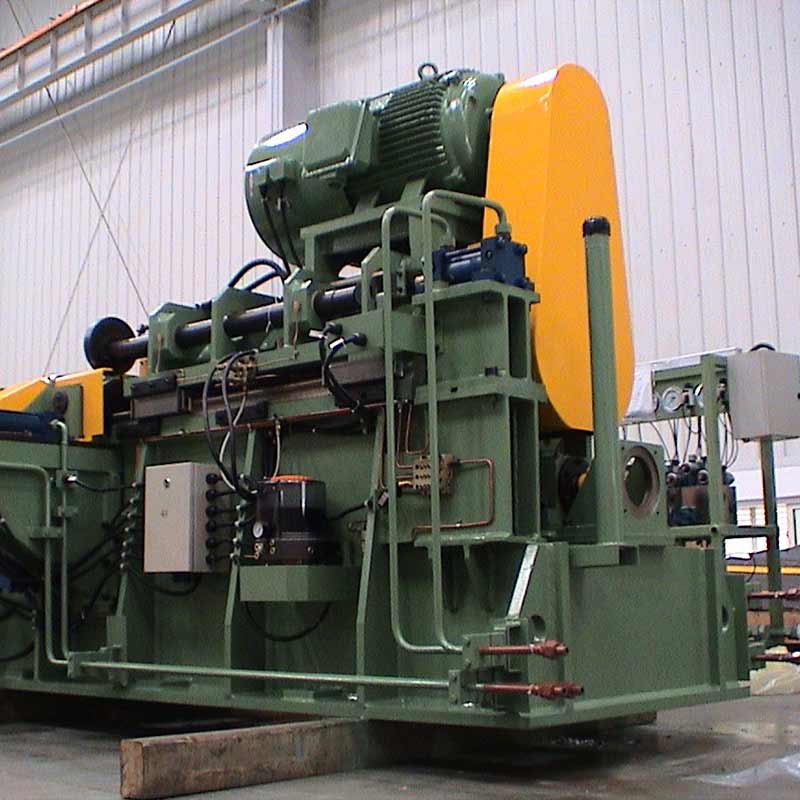
5. Production interfaces for steel pipe facing and chamfering machine
In projects involving a steel pipe facing and chamfering machine, spare tooling should carry clear identities and compatible setup references. Keep approved holders, inserts, and adjustment instructions together. After a change, verify the first accepted end against the drawing. This makes replacement a controlled return to a known process rather than an attempt to imitate the previous tool by appearance.
For buyers reviewing a steel pipe facing and chamfering machine, chips should leave the cutting zone without collecting on contact surfaces. Include cleaning access and the supplier’s service requirements in the installation plan. Contaminated seats can alter clamping or location. Inspect those surfaces when a formerly stable setup begins producing inconsistent end geometry.
6. A representative verification trial
In a steel pipe facing and chamfering machine project, for bevel geometry and root face control, record the incoming or assembled condition, the verified setup or intervention, and the final observation. Identify bevel angle, root face, and end drawing on the trial sheet. Keep failures and interruptions in the record. If an input, support, or measurement method changes, label the change so the next comparison remains interpretable.
When assessing a steel pipe facing and chamfering machine, end preparation for welding should match the approved procedure and fabrication drawing. Do not replace that coordination with a universal bevel angle recommendation. Material, wall thickness, joint design, and the chosen welding process can affect the required preparation. The equipment inquiry should state the actual finished profile.
In projects involving a steel pipe facing and chamfering machine, final length control across two machined ends requires a shared reference. Record which end is located first, where material is removed, and how the second operation establishes the remaining length. Verify the complete part after both ends are finished. Two acceptable individual end faces do not automatically establish an acceptable overall length.
7. Maintenance and repeatability of steel pipe facing and chamfering machine
Internal deburring and external beveling serve different functions. State the required result at each edge and how it will be checked. A bright surface or removed burr does not establish a specified weld preparation. Coordinate the inspection with the fabrication drawing so the trial answers the intended application question.
Incoming saw-cut ends need enough material for the proposed facing operation. Inspect angular error, burrs, and local damage, then confirm the allowance in the process plan. Excessive allowance increases machining work, while insufficient allowance can leave an incomplete face. Base the decision on representative incoming parts.
8. Evidence to include in the technical inquiry
The inquiry for bevel geometry and root face control should include the approved end-preparation and fabrication drawing, the planned material or product range, and observations of bevel angle, root face, and end drawing. Ask the supplier to identify its proposed configuration, excluded conditions, trial method, and supply boundary. A quotation is easier to compare when it answers these project-specific interfaces.
Explore Huier’s related product information and submit drawings through the technical inquiry page. Keep any proposed change to the requirement separate from a change to the equipment or tooling. Record which party must approve each change before it enters production.
9. Decision checklist for steel pipe facing and chamfering machine
Before releasing this project stage, confirm the approved revision, the evidence for bevel angle, the connected check for root face, and the acceptance observation for end drawing. Identify any product or condition that the trial did not cover. Keep the accepted configuration and the triggers for reinspection together with the order record.
Additional reading: NIST length-unit reference. This reference is provided as technical background, without implying a product certification or an independent assessment of the proposed equipment.
For a steel pipe facing and chamfering machine project involving bevel geometry and root face control, send Shandong Huier Heavy Industry the approved drawing, representative input details, and observations for bevel angle, root face, and end drawing. Request a configuration review and a clearly defined quotation, trial, and inspection scope.
Frequently asked questions
What is the first priority in bevel geometry and root face control?
Specify bevel angle and root face independently and inspect them with the approved end-preparation drawing. Use the approved end-preparation and fabrication drawing to define the acceptance question before changing the setup or ordering parts.
How should bevel angle be recorded for steel pipe facing and chamfering machine?
Record the identified configuration and inspection reference. Compare bevel angle with the agreed requirement and retain the connected observation for root face.
Why does root face matter when reviewing a steel pipe facing and chamfering machine?
It is one of the interfaces identified for bevel geometry and root face control. Check root face against the project requirement, alongside the evidence for bevel angle and end drawing, before assigning a cause.
What trial evidence is needed for steel pipe facing and chamfering machine?
Represent the actual input and configuration for bevel geometry and root face control. Retain results for bevel angle, root face, and end drawing, including failed checks.
What should a supplier proposal for steel pipe facing and chamfering machine contain?
It should address bevel geometry and root face control, the defined supply boundary, and the method for verifying bevel angle. Include the approved end-preparation and fabrication drawing in the inquiry.