Table of Contents
Steel pipe straightening machine: Review roller penetration and support against the actual diameter, wall thickness, and material condition. For roller setting for different wall thicknesses, the review should connect roller penetration, wall thickness, and material condition. The purpose is to establish what must be checked before the next production or purchasing decision, using the agreed incoming and finished pipe envelope as the controlling reference.
When assessing a steel pipe straightening machine, use the agreed incoming and finished pipe envelope for the project-specific limits and inspection method. The following checks connect roller penetration with wall thickness and material condition.
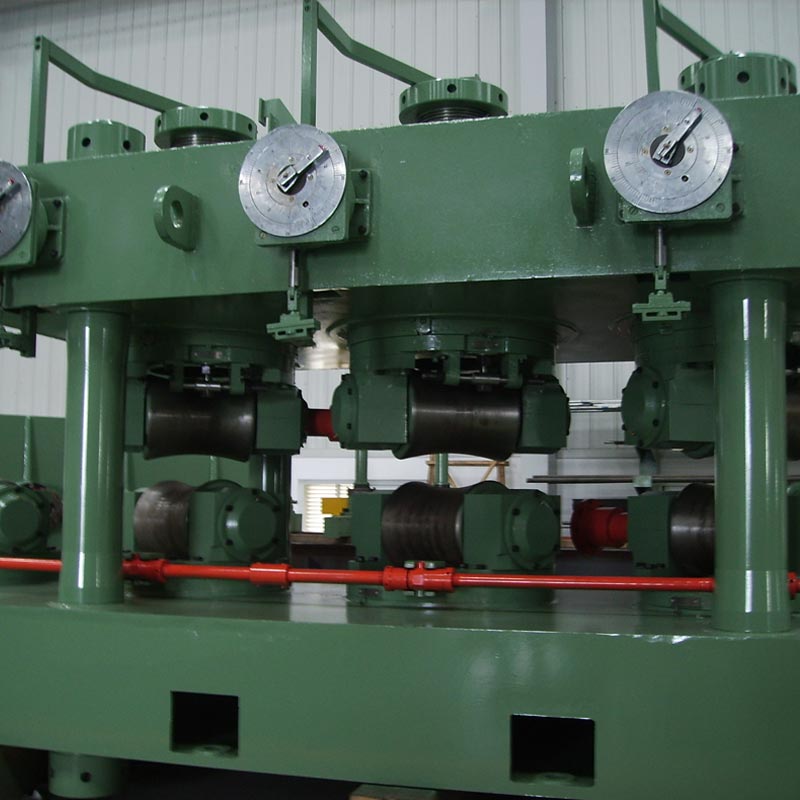
1. Roller penetration: the first check
In a steel pipe straightening machine project, for roller setting for different wall thicknesses, compare roller penetration with wall thickness and material condition under the same identified configuration. Review roller penetration and support against the actual diameter, wall thickness, and material condition.
For buyers reviewing a steel pipe straightening machine, pipe straightening should be specified using incoming material as well as the required finished result. Diameter, wall thickness, grade, length, initial curvature, and surface condition influence the process. A diameter range alone cannot establish suitability. Present representative inputs to the supplier and agree on how the trial results will be measured.
For a steel pipe straightening machine, when comparing materials, keep grade and condition visible in the trial list. Similar pipe dimensions do not imply identical behaviour under correction. The supplier should review the representative input envelope and identify untested conditions. This is especially important when a proposed setup spans different product families or incoming manufacturing routes.
2. Wall thickness: the connected interface
When assessing a steel pipe straightening machine, roller penetration and inclination belong to a defined setup. Changes should follow the equipment supplier’s procedure and account for the actual material and section. More aggressive correction can introduce unwanted deformation or surface marking. Establish a verified setup through representative trials rather than assuming one setting suits the full product range.
In projects involving a steel pipe straightening machine, thin-wall sections may be sensitive to the imposed correction and holding arrangement. Review the wall range and material condition with the supplier. Inspect the released pipe for cross-sectional changes as well as straightness. A result judged only while the pipe remains constrained inside the machine can be misleading.
3. Material condition: the acceptance condition
For buyers reviewing a steel pipe straightening machine, pipe travel and rotation observations should be connected to the stage where instability begins. A feeding difficulty before full roller engagement points toward different checks from a change occurring under load. Record support condition, contact cleanliness, and material identity. This narrows the investigation before the team changes the correction applied by the working rollers.
For a steel pipe straightening machine, record ovality in the released condition required by the product specification. A thin-wall pipe may appear different while constrained by rollers or clamps. Distinguish this condition from the final cross-sectional shape. The trial report should make clear which result controls acceptance and how the pipe was supported during inspection.
4. Steel pipe straightening machine review options
When assessing a steel pipe straightening machine, the decision table connects roller setting for different wall thicknesses with the evidence needed for roller penetration, wall thickness, and material condition.
| Decision point | Evidence to request | What it resolves |
|---|---|---|
| Roller penetration | Defined reference and initial observations | Review roller penetration and support against the actual diameter, wall thickness, and material condition. |
| Wall thickness | Installed configuration and connected interfaces | Whether the result changes with setup or handling |
| Material condition | Representative trial and released-product inspection | Whether the agreed acceptance question has been answered |
| Return to routine production | Verified configuration, open actions, and recheck triggers | How the accepted result will be reproduced |
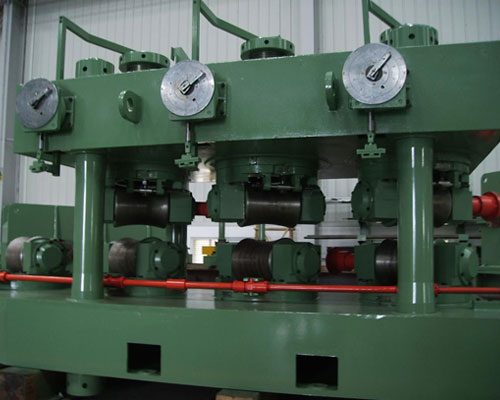
5. Production interfaces for steel pipe straightening machine
In projects involving a steel pipe straightening machine, elastic recovery can change the apparent result after load is removed. Assess final conformity in the released condition specified by the quality plan. Record the time and arrangement of measurement where relevant. This makes the acceptance result comparable to the condition in which the customer will use or further process the pipe.
For buyers reviewing a steel pipe straightening machine, the pipe moves and rotates through inclined roller contact. Observe travel, rotation, and signs of slip during a controlled trial. Inconsistent contact can affect repeatability and surface condition. Record when the change occurs and inspect the relevant supports and surfaces using the supplier’s maintenance procedure.
6. A representative verification trial
In a steel pipe straightening machine project, for roller setting for different wall thicknesses, record the incoming or assembled condition, the verified setup or intervention, and the final observation. Identify roller penetration, wall thickness, and material condition on the trial sheet. Keep failures and interruptions in the record. If an input, support, or measurement method changes, label the change so the next comparison remains interpretable.
When assessing a steel pipe straightening machine, incoming variation should be identified before repeatability is judged. Separate meaningful changes in material batch, section geometry, initial bow, and surface condition. Otherwise one setup may be blamed for a result that changed with the input. Trial records should connect each measured result to a known incoming pipe.
For an incoming bow investigation, mark the pipe orientation and inspection stations. Rotating the pipe or changing supports can alter the observed deviation. Compare the same locations before and after processing using the agreed method. Keep the initial condition attached to the finished result so improvement is not inferred from unrelated measurements.
7. Maintenance and repeatability of steel pipe straightening machine
Surface marks call for inspection of roller condition and contact cleanliness. Look for debris, local damage, and repeated marking patterns. Compare the mark spacing with the process where appropriate. Changing roller settings before checking surface condition may increase the problem or obscure the cause.
Supplier comparisons should use the same incoming and finished envelope. Include material handling, controls, roller sets, measurement support, training, and trial scope. Request evidence from representative pipes. A lower quote with a narrower trial basis or omitted handling equipment is not directly comparable to a complete line proposal.
8. Evidence to include in the technical inquiry
The inquiry for roller setting for different wall thicknesses should include the agreed incoming and finished pipe envelope, the planned material or product range, and observations of roller penetration, wall thickness, and material condition. Ask the supplier to identify its proposed configuration, excluded conditions, trial method, and supply boundary. A quotation is easier to compare when it answers these project-specific interfaces.
Explore Huier’s related product information and submit drawings through the technical inquiry page. Keep any proposed change to the requirement separate from a change to the equipment or tooling. Record which party must approve each change before it enters production.
9. Decision checklist for steel pipe straightening machine
Before releasing this project stage, confirm the approved revision, the evidence for roller penetration, the connected check for wall thickness, and the acceptance observation for material condition. Identify any product or condition that the trial did not cover. Keep the accepted configuration and the triggers for reinspection together with the order record.
Additional reading: NIST length-unit reference. This reference is provided as technical background, without implying a product certification or an independent assessment of the proposed equipment.
For a steel pipe straightening machine project involving roller setting for different wall thicknesses, send Shandong Huier Heavy Industry the approved drawing, representative input details, and observations for roller penetration, wall thickness, and material condition. Request a configuration review and a clearly defined quotation, trial, and inspection scope.
Frequently asked questions
What is the first priority in roller setting for different wall thicknesses?
Review roller penetration and support against the actual diameter, wall thickness, and material condition. Use the agreed incoming and finished pipe envelope to define the acceptance question before changing the setup or ordering parts.
How should roller penetration be recorded for steel pipe straightening machine?
Record the identified configuration and inspection reference. Compare roller penetration with the agreed requirement and retain the connected observation for wall thickness.
Why does wall thickness matter when reviewing a steel pipe straightening machine?
It is one of the interfaces identified for roller setting for different wall thicknesses. Check wall thickness against the project requirement, alongside the evidence for roller penetration and material condition, before assigning a cause.
What trial evidence is needed for steel pipe straightening machine?
Represent the actual input and configuration for roller setting for different wall thicknesses. Retain results for roller penetration, wall thickness, and material condition, including failed checks.
What should a supplier proposal for steel pipe straightening machine contain?
It should address roller setting for different wall thicknesses, the defined supply boundary, and the method for verifying roller penetration. Include the agreed incoming and finished pipe envelope in the inquiry.