Table of Contents
Steel cage welding machine: Check spacing and retention of longitudinal wires before and during cage rotation. For longitudinal wire positioning, the review should connect wire spacing, wire retention, and rotation. The purpose is to establish what must be checked before the next production or purchasing decision, using the reinforcement drawing and approved inspection requirements as the controlling reference.
When assessing a steel cage welding machine, use the reinforcement drawing and approved inspection requirements for the project-specific limits and inspection method. The following checks connect wire spacing with wire retention and rotation.
1. Wire spacing: the first check
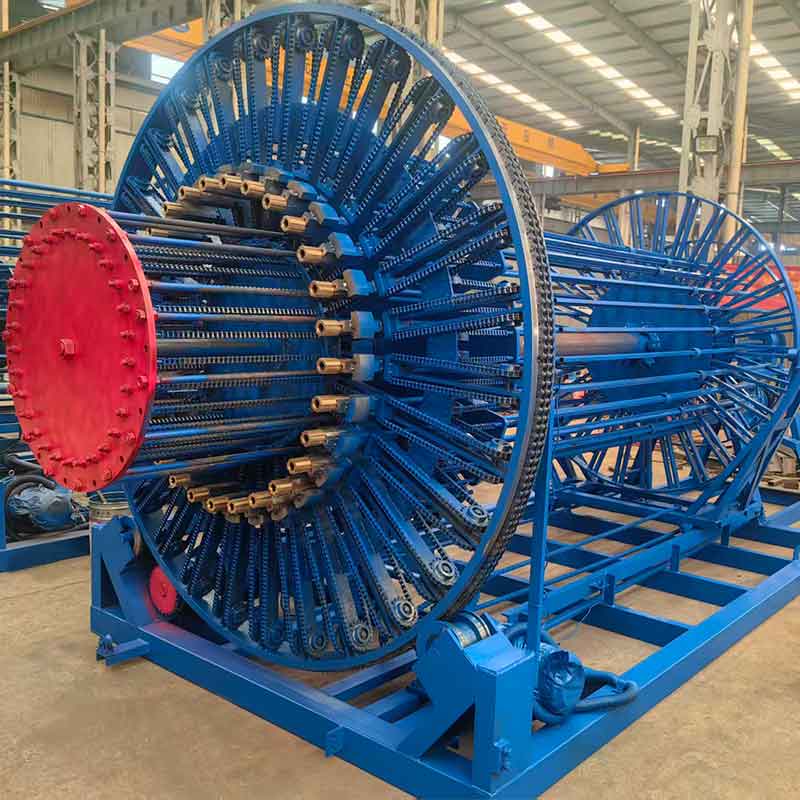
In a steel cage welding machine project, for longitudinal wire positioning, compare wire spacing with wire retention and rotation under the same identified configuration. Check spacing and retention of longitudinal wires before and during cage rotation.
For buyers reviewing a steel cage welding machine, longitudinal wires need consistent positioning and retention during rotation. Check locators and supports before starting a trial. Uneven spacing may persist even when the overall diameter appears correct. Record the actual wire arrangement with the setup so a later change in wire count is not mistaken for the same configuration.
For a steel cage welding machine, acceptance trials should use representative wire and cage configurations. Agree on who supplies material, how dimensions and welds will be inspected, and which configurations remain untested. Include starts, stops, and a normal changeover where those activities are important to the customer’s production route.
2. Wire retention: the connected interface
When assessing a steel cage welding machine, when wire count changes, verify the spacing arrangement and retention of each longitudinal element. A familiar diameter setting can hide a different cage configuration. Check the first completed cage against the reinforcement drawing and record its setup identity. The inspection should confirm the actual cage, not merely the recipe name displayed on the controller.
In projects involving a steel cage welding machine, incoming wire condition influences feed stability. Check preparation, straightness, and the relevant material specification before changing welding settings. A feed problem can create dimensional variation that resembles a control issue. Retain wire-batch information with the trial records so comparisons do not ignore a change in the input material.
3. Rotation: the acceptance condition
For buyers reviewing a steel cage welding machine, cage cover depends on the relationship between the finished cage and the mould. Review spacers, local wire protrusions, and end positioning during a representative fit check. A cage that meets its overall diameter can still create a local interference. Record the observed location before changing the mould or the welding setup.
For a steel cage welding machine, service access must match the supplier’s maintenance instructions. Allow room around rotating elements, wire-feed equipment, and control cabinets. Installation drawings should include the paths used for material supply and finished-cage removal. The static machine footprint does not describe the entire workstation.
4. Steel cage welding machine review options
When assessing a steel cage welding machine, the decision table connects longitudinal wire positioning with the evidence needed for wire spacing, wire retention, and rotation.
| Decision point | Evidence to request | What it resolves |
|---|---|---|
| Wire spacing | Defined reference and initial observations | Check spacing and retention of longitudinal wires before and during cage rotation. |
| Wire retention | Installed configuration and connected interfaces | Whether the result changes with setup or handling |
| Rotation | Representative trial and released-product inspection | Whether the agreed acceptance question has been answered |
| Return to routine production | Verified configuration, open actions, and recheck triggers | How the accepted result will be reproduced |
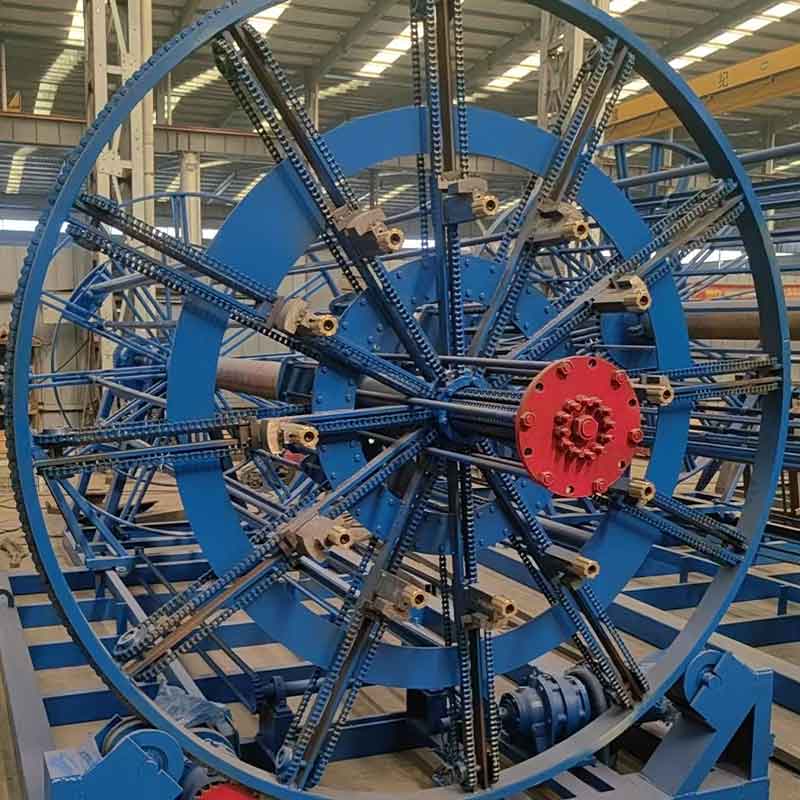
5. Production interfaces for steel cage welding machine
In projects involving a steel cage welding machine, weld quality needs an approved inspection method and acceptance requirement. Track process settings, electrode condition, and relevant consumables, but do not infer weld conformity from appearance alone. Production records should support the inspection required by the reinforcement specification and the agreed quality plan.
For buyers reviewing a steel cage welding machine, line balancing should compare accepted cages with casting demand. Include setup, wire preparation, inspection, and transfer time. A welding cycle rate measured alone may overstate the supply available to the casting station. Buffer planning should account for product mix and the space needed to protect finished cages.
6. A representative verification trial
In a steel cage welding machine project, for longitudinal wire positioning, record the incoming or assembled condition, the verified setup or intervention, and the final observation. Identify wire spacing, wire retention, and rotation on the trial sheet. Keep failures and interruptions in the record. If an input, support, or measurement method changes, label the change so the next comparison remains interpretable.
Consumable replacement should return the process to a verified condition. Confirm compatible part references, inspect the installation, and check the first completed cage. Retain the relevant dimensional and weld results. This links maintenance work to the quality plan instead of treating a replacement part as automatic proof that the process is restored.
Traceability is useful when defects repeat. Link a cage to the setup, wire batch, inspection result, and relevant machine condition. Mark whether the cage was measured before or after transfer. This helps distinguish a welding or feed problem from distortion introduced later by handling.
7. Maintenance and repeatability of steel cage welding machine
Consumable planning should focus on compatible electrodes, contact parts, and other process-critical components. Confirm identities and supplier lead times. Store setup references alongside replacement parts. A substitute component should not enter production without reviewing its effect on the approved welding and dimensional process.
An RFQ should connect the cage drawing with the planned concrete pipe products. Provide the size range, wire specifications, required output assumptions, available utilities, and inspection expectations. This lets the supplier review both machine configuration and the interface with the existing or planned precast line.
8. Evidence to include in the technical inquiry
The inquiry for longitudinal wire positioning should include the reinforcement drawing and approved inspection requirements, the planned material or product range, and observations of wire spacing, wire retention, and rotation. Ask the supplier to identify its proposed configuration, excluded conditions, trial method, and supply boundary. A quotation is easier to compare when it answers these project-specific interfaces.
Explore Huier’s related product information and submit drawings through the technical inquiry page. Keep any proposed change to the requirement separate from a change to the equipment or tooling. Record which party must approve each change before it enters production.
9. Decision checklist for steel cage welding machine
Before releasing this project stage, confirm the approved revision, the evidence for wire spacing, the connected check for wire retention, and the acceptance observation for rotation. Identify any product or condition that the trial did not cover. Keep the accepted configuration and the triggers for reinspection together with the order record.
Additional reading: precast concrete background. This reference is provided as technical background, without implying a product certification or an independent assessment of the proposed equipment.
For a steel cage welding machine project involving longitudinal wire positioning, send Shandong Huier Heavy Industry the approved drawing, representative input details, and observations for wire spacing, wire retention, and rotation. Request a configuration review and a clearly defined quotation, trial, and inspection scope.
Frequently asked questions
What is the first priority in longitudinal wire positioning?
Check spacing and retention of longitudinal wires before and during cage rotation. Use the reinforcement drawing and approved inspection requirements to define the acceptance question before changing the setup or ordering parts.
How should wire spacing be recorded for steel cage welding machine?
Record the identified configuration and inspection reference. Compare wire spacing with the agreed requirement and retain the connected observation for wire retention.
Why does wire retention matter when reviewing a steel cage welding machine?
It is one of the interfaces identified for longitudinal wire positioning. Check wire retention against the project requirement, alongside the evidence for wire spacing and rotation, before assigning a cause.
What trial evidence is needed for steel cage welding machine?
Represent the actual input and configuration for longitudinal wire positioning. Retain results for wire spacing, wire retention, and rotation, including failed checks.
What should a supplier proposal for steel cage welding machine contain?
It should address longitudinal wire positioning, the defined supply boundary, and the method for verifying wire spacing. Include the reinforcement drawing and approved inspection requirements in the inquiry.