Table of Contents
Introduction

Concrete molds may look simple from the outside, but they play a much bigger role than just holding wet concrete in shape. A good mold affects the final size, surface finish, edge quality, demolding efficiency, repeat production stability, and even the amount of waste created during a project.
If you are choosing concrete molds for pavers, planters, or decorative designs, the best option is not always the one that looks most attractive in a catalog. You need to think about how the mold will be used, how often it will be reused, what type of concrete mix will go into it, and what level of detail the finished product needs.
For small garden projects, flexibility and easy demolding may matter most. For repeated production, dimensional accuracy and durability become more important. For decorative surfaces, the mold must capture texture, edges, patterns, and surface details without causing cracking or sticking.
This guide explains how to choose concrete molds from a practical production and project-use perspective, so you can avoid common mistakes and make better decisions before ordering or using molds.
Why Concrete Molds Matter in Modern Casting Projects
Concrete is widely used because it can be shaped before it hardens. That shaping process is where concrete molds become important. The mold controls the geometry of the product, supports the concrete during setting, and helps create consistent results across multiple pieces.
For pavers, a mold must keep each piece uniform so the finished surface can be installed neatly. For planters, the mold must support both the outer wall and inner cavity. For decorative designs, the mold must reproduce fine textures, curves, patterns, or custom shapes.
In practical use, poor mold selection can lead to several problems:
Uneven edges
Difficult demolding
Rough or damaged surfaces
Inconsistent product dimensions
Short mold life
Higher rejection rates
More cleaning and repair work
A well-designed mold, on the other hand, can make production smoother. It helps the concrete settle properly, reduces surface defects, and supports repeated casting with fewer interruptions.
For businesses working with precast products or construction-related casting, reliable concrete mold systems can also support more stable production planning and better quality control.
Understanding the Main Types of Concrete Molds
Concrete molds are used in many different ways. Before comparing materials or sizes, you should first define the application. A mold designed for flat pavers will not have the same structural needs as a mold for a planter or a decorative wall element.
Concrete molds for pavers
Paver molds are usually designed for flat or slightly textured concrete units used in walkways, patios, garden paths, outdoor areas, and landscape projects.
When choosing concrete molds for pavers, pay attention to:
Shape consistency
Edge sharpness
Thickness control
Surface texture
Ease of demolding
Ability to repeat the same size
For pavers, even small dimensional differences can affect installation. If the mold expands, bends, or loses shape after repeated use, the finished pavers may not align well. This is especially important when the design uses interlocking patterns or repeated geometric layouts.
Concrete molds for planters
Planter molds are more complex because they usually involve both an outer mold and an inner core. The space between them forms the wall thickness of the planter.
Important factors include:
Balanced wall thickness
Stable inner core positioning
Smooth inner and outer surfaces
Drainage hole design
Strength around corners and edges
Planters also need careful demolding. If the mold grips too tightly, thin walls or decorative edges can crack during removal. For deeper planters, draft angle and mold flexibility become especially important.
Concrete molds for decorative designs
Decorative concrete molds are used for textured surfaces, garden ornaments, wall panels, artificial stone effects, stepping stones, borders, and custom visual details. Since decorative concrete is often valued for both function and appearance, mold accuracy directly affects the final look.
For decorative designs, the mold should reproduce:
Texture depth
Pattern clarity
Smooth transitions
Fine lines and curves
Consistent surface details
A decorative mold with poor surface quality can cause air bubbles, rough patches, or unclear patterns. Even if the concrete mix is correct, the final product may still look unprofessional if the mold surface is not well made.
Match Concrete Molds to Your Project Application
The first rule is simple: choose the mold based on the finished product, not just the mold material.
Ask yourself these questions before selecting concrete molds:
What product will be cast?
Will the mold be used once, occasionally, or repeatedly?
Does the product need a smooth, textured, or patterned surface?
Are the edges straight, curved, sharp, or detailed?
Will the finished piece be handled manually or by equipment?
Does the project require consistent dimensions across many pieces?
For example, if you are making decorative stepping stones for a garden, a flexible mold with textured detail may be useful. If you are producing repeated concrete components, a stronger and more stable mold structure may be more suitable.
For pavers, size consistency and flatness matter most. For planters, wall thickness and demolding design are critical. For decorative pieces, surface texture and pattern accuracy should be the priority.
This application-first approach helps you avoid buying a mold that looks suitable but performs poorly in actual use.
Choose the Right Mold Material
Concrete molds can be made from different materials, including plastic, rubber, silicone, fiberglass, wood, and steel. Each material has advantages and limitations.
Plastic molds are common for smaller pavers, stepping stones, and simple garden products. They are usually lightweight and easy to handle, but the quality depends heavily on wall thickness and material strength.
Rubber and silicone molds are useful for decorative shapes, curved surfaces, and fine textures. They allow easier demolding, especially for detailed designs, but they may require careful support to prevent deformation.
Fiberglass molds can work well for larger decorative or repeated-use products because they are lighter than metal but more rigid than soft molds.
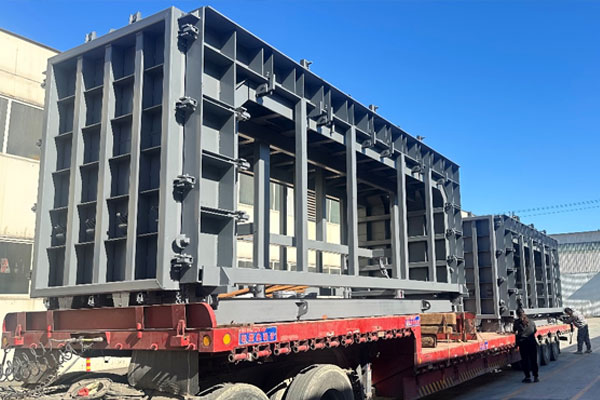
Steel molds are often used for industrial, precast, and high-repetition applications. They offer strong dimensional stability, high durability, and better performance for large or heavy concrete products. However, they require proper handling, cleaning, and maintenance.
Wood forms are sometimes used for simple or custom one-off projects, but they usually provide less repeatability and may absorb moisture if not treated correctly.
There is no single best material for all concrete molds. The right choice depends on your casting frequency, product size, surface requirements, and expected service life.
Check Mold Strength, Accuracy, and Reusability
A mold does not only need to look correct when new. It needs to keep its shape after repeated use.
For B2B buyers and project teams, reusability is one of the most important factors. A low-quality mold may work for the first few castings but gradually lose accuracy. Once the mold starts to warp, crack, deform, or wear at the edges, the finished products will become less consistent.
When evaluating concrete molds, check:
Wall thickness
Structural reinforcement
Corner strength
Edge stability
Joint design
Surface smoothness
Resistance to deformation
Ease of cleaning after each cycle
For repeated casting, the mold should resist pressure from wet concrete and vibration. If the mold flexes too much, the final product may become uneven. If the mold is too rigid but poorly designed, demolding may become difficult.
A good mold balances strength and usability. It should be stable enough to hold shape, but designed well enough to release the concrete without damaging the finished piece.
Surface Finish: Why Mold Quality Affects the Final Look
The surface of the mold becomes the surface of the concrete. This is why mold quality has a direct effect on the final appearance.
If the mold surface is scratched, dirty, uneven, or poorly finished, these defects can transfer to the concrete. For decorative designs, even small imperfections can be noticeable.
For smooth pavers, the mold should provide clean planes and consistent edges. For planters, both interior and exterior surfaces should be considered because rough inner walls can make cleaning and finishing more difficult. For decorative pieces, the mold must hold texture without trapping too much air.
Surface finish also affects demolding. A smooth and properly prepared mold surface helps reduce sticking. A rough or damaged mold surface can increase friction, making it harder to remove the concrete product safely.
This is where mold release practices become important. The right release agent, applied evenly, can help prevent bonding between the concrete and the mold. However, too much release agent may affect surface appearance, while too little can cause sticking.
Good surface results come from the combination of mold quality, concrete mix design, vibration method, release agent use, and curing conditions.
Concrete Mix, Release Agent, and Demolding Considerations
Even the best concrete molds cannot solve every production problem if the mix or process is wrong.
For pavers, the mix should support strength, compaction, and edge formation. For planters, the mix should flow well enough to fill the wall area without leaving large voids. For decorative designs, the mix may need finer aggregates to capture surface details.
Key process factors include:
Concrete consistency
Aggregate size
Water control
Vibration or compaction method
Release agent type
Demolding time
Curing environment
If the mix is too wet, the finished product may shrink more, bleed, or show weak edges. If the mix is too dry, it may not fill detailed areas properly. If demolding happens too early, corners may break. If demolding happens too late, the product may stick more strongly to the mold.
The goal is not only to fill the mold. The goal is to produce a finished piece with accurate shape, stable strength, and clean appearance.
For business users, it is helpful to document the working process: mix ratio, casting time, vibration time, demolding time, curing conditions, and defect rate. Over time, this creates practical production data that helps improve consistency.
Concrete Mold Selection Table
The following table gives a practical comparison of concrete mold selection factors for pavers, planters, and decorative designs.
| Application | Key Mold Requirement | Recommended Focus | Common Risk | Practical Selection Tip |
|---|---|---|---|---|
| Pavers | Dimensional consistency and edge quality | Stable shape, flat base, repeat accuracy | Uneven size or poor alignment during installation | Choose molds that resist deformation after repeated casting |
| Planters | Wall thickness control and easy demolding | Inner core stability, draft angle, smooth surface | Cracked walls or difficult mold removal | Check whether the mold design supports safe release from deeper shapes |
| Decorative designs | Texture detail and surface clarity | Flexible detail capture, clean pattern transfer | Air bubbles, unclear texture, surface defects | Use molds with high-quality surface detail and suitable release practice |
| Repeated production | Durability and cleaning efficiency | Strong material, reinforced structure, low maintenance | Short mold life and inconsistent batches | Prioritize mold strength, joint quality, and maintenance access |
| Custom products | Shape accuracy and project fit | Custom design, drawing confirmation, test casting | Design mismatch or difficult production | Confirm dimensions, draft angles, and demolding method before production |
This table can help you compare molds based on use conditions rather than appearance alone.
Common Mistakes When Choosing Concrete Molds
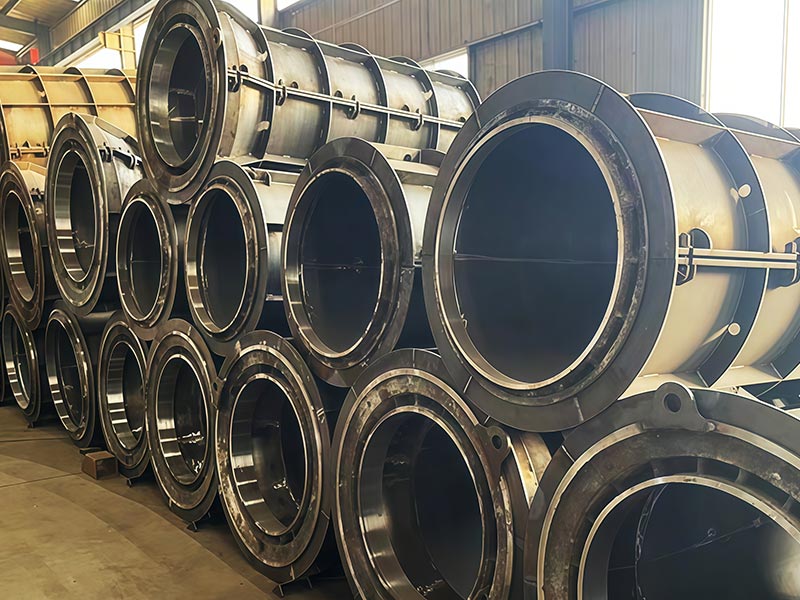
Many concrete mold problems happen before casting begins. The wrong decision at the selection stage can create repeated issues later.
One common mistake is choosing a mold only by shape. A mold may have the right pattern, but if it is too thin, too flexible, or poorly supported, it may not produce consistent results.
Another mistake is ignoring demolding. Some designs look attractive but have undercuts, sharp internal corners, or insufficient draft angles. These features can make it difficult to remove the concrete without damage.
A third mistake is using one mold type for every application. Pavers, planters, and decorative pieces have different requirements. A mold that works well for a shallow stepping stone may not be suitable for a deep planter.
Some buyers also overlook cleaning and maintenance. If the mold has difficult corners or weak joints, cleaning takes longer and residue builds up faster. This can reduce surface quality over time.
The most practical way to avoid these mistakes is to review the complete casting process before choosing the mold: filling, vibration, curing, demolding, cleaning, storage, and reuse.
Maintenance Tips to Extend Mold Service Life

Good maintenance can make concrete molds more reliable and reduce production problems.
After each use, remove concrete residue before it hardens fully on the mold surface. Avoid using tools that can scratch or damage the mold. For steel molds, keep the surface clean and protected from corrosion. For rubber or silicone molds, avoid sharp objects and excessive stretching.
Storage also matters. Molds should be stored in a stable position, away from unnecessary pressure or deformation. Flexible molds should not be folded or compressed for long periods. Larger molds should be supported properly so they do not twist or bend.
Before each casting cycle, inspect the mold for:
Cracks
Surface damage
Loose joints
Deformation
Residue buildup
Worn edges
Poorly maintained molds can still be used, but they often produce lower-quality results. Small defects on the mold can become visible defects on the concrete product.
For repeated production, mold maintenance should be treated as part of quality control, not as an afterthought.
Conclusion
Choosing concrete molds for pavers, planters, and decorative designs is not just about selecting a shape. It is about matching the mold to the product, the production method, the required surface finish, and the expected reuse cycle.
For pavers, focus on dimensional stability and edge quality. For planters, pay attention to wall thickness, inner core design, and demolding safety. For decorative designs, prioritize texture accuracy, surface quality, and mold detail.
A good mold helps reduce defects, improve consistency, and make the casting process easier to control. Whether you are working on small landscape items or repeated concrete product production, the right concrete molds can make the difference between acceptable results and reliable, professional-quality output.
FAQ
What are concrete molds used for?
Concrete molds are used to shape wet concrete into products such as pavers, planters, stepping stones, decorative panels, garden ornaments, and precast components. The mold controls the final size, surface texture, edge quality, and overall appearance of the finished concrete piece.
Are concrete molds reusable?
Yes, many concrete molds are reusable, but service life depends on the mold material, design, concrete mix, demolding method, and maintenance. Strong, well-maintained molds can support repeated casting, while thin or poorly cleaned molds may lose accuracy faster.
What type of concrete molds are best for pavers?
The best concrete molds for pavers should provide stable dimensions, flat surfaces, clean edges, and good resistance to deformation. Since pavers are often installed in repeated patterns, consistent size and thickness are more important than decorative appearance alone.
How do I stop concrete from sticking to molds?
Use a suitable release agent, apply it evenly, and keep the mold surface clean before casting. Sticking can also happen if the concrete mix is too wet, demolding time is wrong, or the mold surface is scratched, dirty, or not designed for easy release.
Can concrete molds be customized?
Yes, concrete molds can be customized for special shapes, dimensions, textures, or production requirements. For custom projects, it is important to confirm drawings, wall thickness, demolding direction, surface finish, and expected reuse frequency before production.