Table of Contents
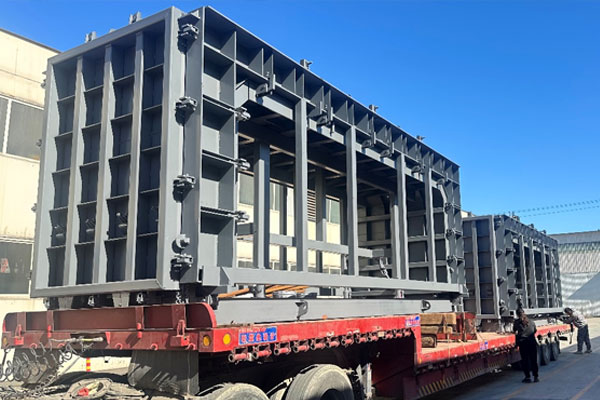
Box culvert formwork systems: Check which panels, spacers, corners, and joint pieces change when a forming system changes size. For modular size change planning, the review should connect panel modules, spacer kit, and corner connection. The purpose is to establish what must be checked before the next production or purchasing decision, using the approved culvert section and joint drawing as the controlling reference.
When assessing box culvert formwork systems, use the approved culvert section and joint drawing for the project-specific limits and inspection method. The following checks connect panel modules with spacer kit and corner connection.

1. Panel modules: the first check
In a box culvert formwork systems project, for modular size change planning, compare panel modules with spacer kit and corner connection under the same identified configuration. Check which panels, spacers, corners, and joint pieces change when a forming system changes size.
For buyers reviewing box culvert formwork systems, adjustable forms rely on coordinated panels, spacers, and corner pieces. List which components are shared and which must change for each section size. A flexible system can reduce dedicated tooling, but it adds setup and inspection tasks. Evaluate that tradeoff using the expected order mix and frequency of changeovers.
For box culvert formwork systems, form quantity should be based on the full reuse cycle. Include preparation, reinforcement placement, filling, curing or waiting, release, cleaning, and maintenance. If a form remains occupied during release delays, a faster placing operation alone may not increase daily output. Build the calculation around accepted segments rather than theoretical casting starts.
2. Spacer kit: the connected interface
When assessing box culvert formwork systems, panel seams can leak because of residue, damaged sealing arrangements, or movement during filling. Check the empty assembly first and observe when leakage begins during the trial. Document the location and filling condition. Tightening one connection may redistribute the problem without correcting a distorted or poorly supported panel.
In projects involving box culvert formwork systems, fresh concrete loading depends on the mix and placing method. Review filling sequence, support conditions, and the form designer’s permitted operating envelope. Do not assume one pressure value applies to every wall height or concrete consistency. The engineering review should establish the design basis before production operators select a working routine.
3. Corner connection: the acceptance condition
For buyers reviewing box culvert formwork systems, compaction access should match wall depth and reinforcement layout. Watch where voids occur on trial castings and relate the pattern to placing and access conditions. Repeated voids near one corner require a different investigation from random surface marks. Change one relevant variable at a time so the trial result remains interpretable.
For box culvert formwork systems, openings and embedded items need a shared datum with the main component drawing. Check how a former is located, retained, and removed. A penetration can obstruct a release path or conflict with reinforcement. The tooling drawing should show the relevant interface clearly enough for both assembly and inspection personnel.
4. Box culvert formwork systems review options
When assessing box culvert formwork systems, the decision table connects modular size change planning with the evidence needed for panel modules, spacer kit, and corner connection.
| Decision point | Evidence to request | What it resolves |
|---|---|---|
| Panel modules | Defined reference and initial observations | Check which panels, spacers, corners, and joint pieces change when a forming system changes size. |
| Spacer kit | Installed configuration and connected interfaces | Whether the result changes with setup or handling |
| Corner connection | Representative trial and released-product inspection | Whether the agreed acceptance question has been answered |
| Return to routine production | Verified configuration, open actions, and recheck triggers | How the accepted result will be reproduced |

5. Production interfaces for box culvert formwork systems
In projects involving box culvert formwork systems, diagonal checks are most useful when the base and measuring plane are defined. Equal diagonals taken at different heights do not establish the same geometry. Specify where the measurement is made and confirm the individual width and height references. Repeat the check after relocation or changes to the panel support arrangement.
For buyers reviewing box culvert formwork systems, the first article establishes the production inspection route. Record component identity, form configuration, material batch, release condition, and critical dimensions. Agree on how subsequent samples will be selected and who may release a changed setup. This gives a revised panel or spacer a defined path back into controlled production.
6. A representative verification trial
In a box culvert formwork systems project, for modular size change planning, record the incoming or assembled condition, the verified setup or intervention, and the final observation. Identify panel modules, spacer kit, and corner connection on the trial sheet. Keep failures and interruptions in the record. If an input, support, or measurement method changes, label the change so the next comparison remains interpretable.
When assessing box culvert formwork systems, internal corner geometry should be checked with the intended reinforcement arrangement visible in the review. A radius that looks generous in an empty form may leave little clearance after the cage and spacers are installed. Resolve the placing and release requirements together, and record the approved corner detail with its mating panel revisions.
When a joint runs around a rectangular segment, inspect transitions between straight and corner portions. A smooth straight length does not rule out a local step or interference at the corner. Use the approved joint drawing and retain a record of the complete perimeter, particularly after insert replacement or a configuration change.
7. Maintenance and repeatability of box culvert formwork systems
After relocation, recheck the base and panel alignment. A form that worked in one bay may sit differently on new supports. Verify anchor locations, opening clearance, and inspection access before production resumes. Retain the original reference records so the team can compare the new installation with the approved arrangement.
Treat seals and mechanical locators as different functions. A seal can control paste loss while the locators control relative panel position. Replacing a seal may improve appearance without correcting alignment. Record both observations during the trial so surface finish does not become an accidental substitute for a dimensional inspection.
8. Evidence to include in the technical inquiry
The inquiry for modular size change planning should include the approved culvert section and joint drawing, the planned material or product range, and observations of panel modules, spacer kit, and corner connection. Ask the supplier to identify its proposed configuration, excluded conditions, trial method, and supply boundary. A quotation is easier to compare when it answers these project-specific interfaces.
Explore Huier’s related product information and submit drawings through the technical inquiry page. Keep any proposed change to the requirement separate from a change to the equipment or tooling. Record which party must approve each change before it enters production.
9. Decision checklist for box culvert formwork systems
Before releasing this project stage, confirm the approved revision, the evidence for panel modules, the connected check for spacer kit, and the acceptance observation for corner connection. Identify any product or condition that the trial did not cover. Keep the accepted configuration and the triggers for reinspection together with the order record.
Additional reading: precast concrete background. This reference is provided as technical background, without implying a product certification or an independent assessment of the proposed equipment.
For a box culvert formwork systems project involving modular size change planning, send Shandong Huier Heavy Industry the approved drawing, representative input details, and observations for panel modules, spacer kit, and corner connection. Request a configuration review and a clearly defined quotation, trial, and inspection scope.
Frequently asked questions
What is the first priority in modular size change planning?
Check which panels, spacers, corners, and joint pieces change when a forming system changes size. Use the approved culvert section and joint drawing to define the acceptance question before changing the setup or ordering parts.
How should panel modules be recorded for box culvert formwork systems?
Record the identified configuration and inspection reference. Compare panel modules with the agreed requirement and retain the connected observation for spacer kit.
Why does spacer kit matter when reviewing box culvert formwork systems?
It is one of the interfaces identified for modular size change planning. Check spacer kit against the project requirement, alongside the evidence for panel modules and corner connection, before assigning a cause.
What trial evidence is needed for box culvert formwork systems?
Represent the actual input and configuration for modular size change planning. Retain results for panel modules, spacer kit, and corner connection, including failed checks.
What should a supplier proposal for box culvert formwork systems contain?
It should address modular size change planning, the defined supply boundary, and the method for verifying panel modules. Include the approved culvert section and joint drawing in the inquiry.